
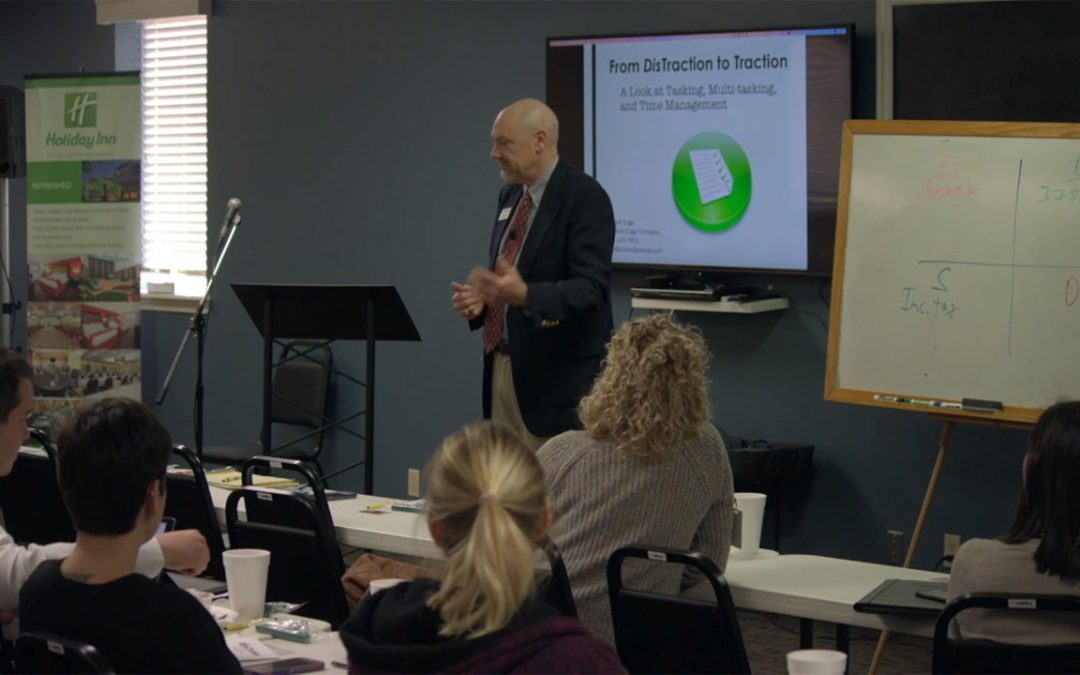
How many people do you know who love to give speeches?
Let me tell you a story. Picture a man pacing nervously, back and forth. He runs into a woman who says, “You always get nervous before you speak?”
“No,” he lies, “I never do.”
She asks, “In that case, what are you doing in the women’s bathroom?”
You’ve probably heard it before: more people are afraid of giving a speech than of dying. Years ago, I taught freshmen speech at my old college. I saw firsthand how many of them were terrified to stand up and talk. But here’s the thing: most of them were much better than they thought. Sure, they had butterflies. But sometimes, butterflies are a good thing.
So, if you’re nervous, you’re not alone. I know there are hurdles to clear before you can speak with confidence. Maybe you haven’t been asked to give a speech yet, but your day is coming. When it does, you’ll have a mountain of things you could say. To help you manage this, let me make it simple. I’ll give you two lists for two categories: five tips for preparing your speech, and seven tips for presenting it.
A short list for preparing a speech
1. Keep it short. Unless someone tells you otherwise, five to seven minutes is plenty.
2. If you’re new to this, keep it simple. Pick one thing you want to say.
3. Decide how you wish to communicate this one thing. Do you want to:
- Tell something about it (inform)
- Convince people to do something (persuade)
- Be funny while making a point (entertain)
- Motivate people to action (inspire)
4. Jot down an outline. Stick to what you know. Don’t write out your whole speech word for word. Reading from a script will kill your delivery. I’ve seen brilliant people with fancy degrees stand up and read their speeches, and the audience is left wondering: if they’re so smart, why can’t they remember what they want to say? Reading a speech puts your listeners to sleep.
5. Add stories to your speech. Stories grab people’s attention. Use a story to make your point. Use a story to show what you mean. People have always wanted the same thing: Tell me a story.
That’s your speech preparation. Now, let’s talk about your…speech presentation.
1. Be yourself. You don’t have to imitate anyone. You’re unique enough to be you.
2. Look people in the eye. You’ll get a sense—sometimes without even realizing it—of how you’re doing. People talk to you with their eyes.
3. Know your speech so well that you don’t have to think about it—you just give it. You want to be so comfortable that you can pay attention to your audience, not just your words. I remember when I was in South America, learning to give speeches in Spanish. I wrote everything out to get the grammar right, but even when I spoke without notes, it felt like I was reading from an invisible teleprompter. My words were correct, but I missed out on connecting with the audience. Once I became fluent, I could finally focus on the people in front of me. That’s your goal: make your speech second nature, so you can listen to your audience, not just yourself.
4. Don’t worry about gestures right away. A lot of people overdo it. Gestures only work if they feel natural. For your first speech, just focus on speaking. As you get more comfortable, you can try things out. When I was a teenager, I tried to copy John F. Kennedy’s gestures. It felt like wearing someone else’s clothes—awkward and uncomfortable. Eventually, I found a few gestures that worked for me, and I stuck with them.
5. Humor is your friend. A clever remark, a funny story, or a good joke (as long as it’s clean) can break the ice and help you relax. There’s nothing better than hearing the audience laugh when you want them to.
6. Give your audience something they can use. If you’re talking about attitude, give them a real action to try. For example: to find more joy, make yourself smile every day. Here’s my tip for you: join a local Toastmasters club. It’s cheap, and it’s a great place to grow.
7. Don’t be afraid to fail. I knew a woman who joined Toastmasters in her forties. The first time she spoke, she froze for nearly a minute, then sat down. No one judged her, and she didn’t quit. Two years later, she was club president, giving speeches all over the country. Anything worth doing is going to take a few failures.
That’s everything you need to make a great first speech. Of course, there’s more to learn—voice, volume, posture, and all the rest—but we’re not worrying about that today. Today, we’re just getting started. Focus on these basics, and you’ll be on your way.
Mark
Dr. Mark Edge
The WorkEdge Company
Telephone: 903-245-7851
Email: workedgetexas@gmail.com
Website: www.workedgetexas.com
Author of Holy Chaos To purchase the book, click here: